One in seven adolescents worldwide deals with a mental disorder. According to Prosper counselors, teachers, and students, proactive self-care is possible through a combination of building strong support systems and knowing the signs of when to seek professional help.
“I think mental health is important,” freshman Imogen Mills said. “It’s not funny when people make fun of it—or pretend they have mental health problems.”
According to the National Institute of Mental health, illnesses and situations attacking mental health are common not only for students. About one in five adults in the U.S. each year experiences a mental health disorder.
“I think mental health is what goes on in someone’s head,” senior Addison “A.J.” Didonato said. “It’s something that a lot of people don’t take seriously. Mental health affects the way someone thinks, feels and responds to life situations.”
The NIMH also reported that half of all mental health conditions begin by age 14.
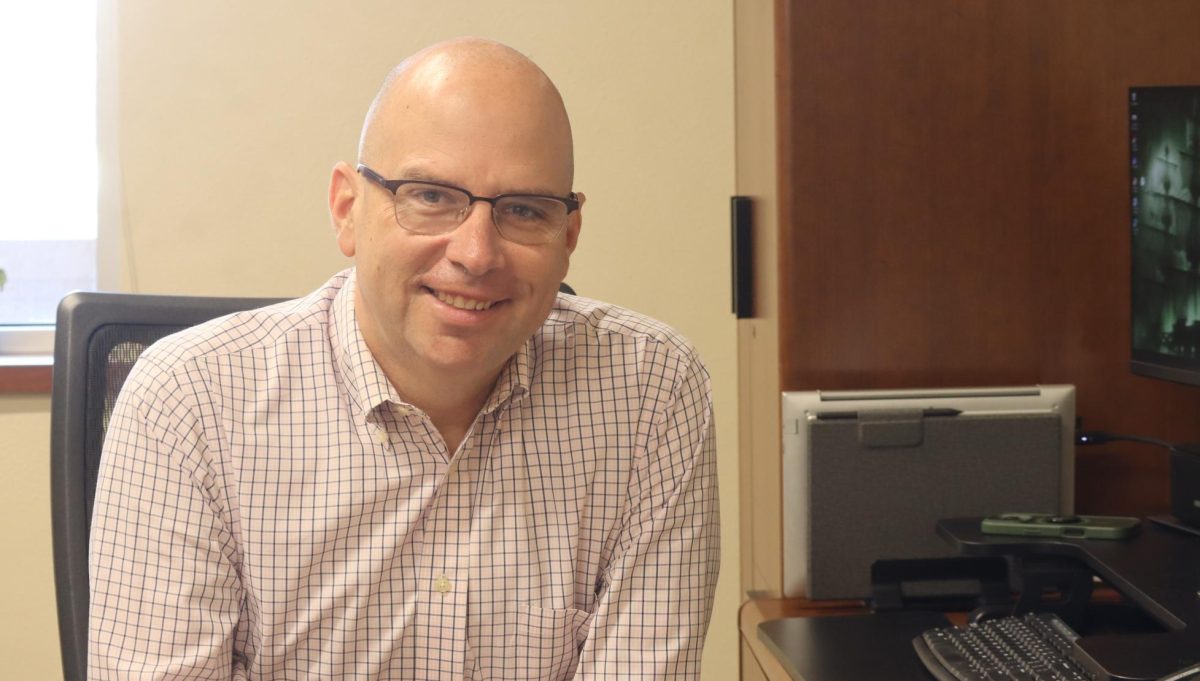
“Mental health is important because it plays a big role in our day to day functioning,” counselor Megan Howell said. “Mental health is especially important for high school students because these years are filled with stressors and pressures from academics, peers and big life decisions such as plans after graduation.
This pervasive condition impacts global health as depression is the leading cause of disability worldwide.
“Mental health is not taken as seriously as it should be,” Didonato said. “You never know when someone is struggling.”
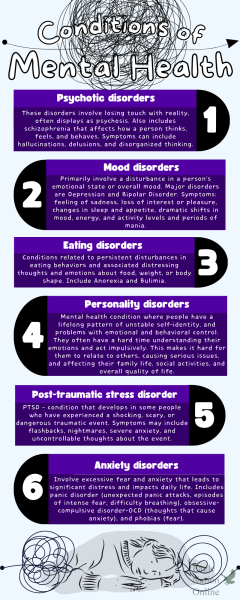
According to the NIMH, nearly 60% of adults with mental illness did not receive mental health services in the past year. Research shows while there is no real correlation between mental illness and violence, people with a mental illness are not more likely to be violent than others. They are often productive employees with good attendance records, but the global economy loses about $1 trillion per year in productivity due to depression and anxiety.
“When we take care of our mental health, we are better able to manage stress, build and maintain healthy friendships and relationships, and stay focused on our goals,” Howell said. “Having good mental health is also important in times of disappointment, difficulty, etc. It allows us to be resilient and face challenges head on, instead of running away from them.”
While students may struggle with taking the self-care steps, counselors are available to them while school is in session. Teens also may want to reach out to friends or acquaintances the school’s Hope Squad, or consider the following options, documented by multiple health professional authorities, when they want to help themselves with their self-care:
1. Consistent sleep
2. Good exercise
3. Healthy boundaries
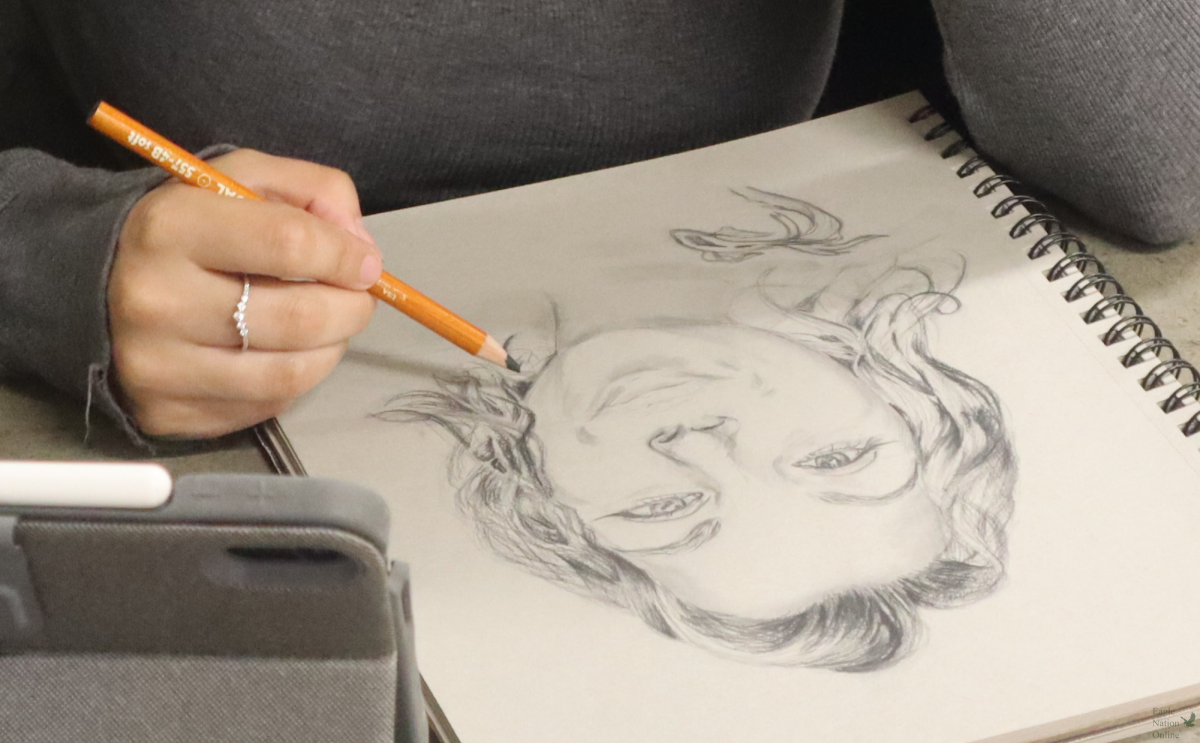
4. Hobbies
5. Relaxation
6. Stay active
7. Healthy meals
8. Quiet time
9. Plan ahead
10. Journaling
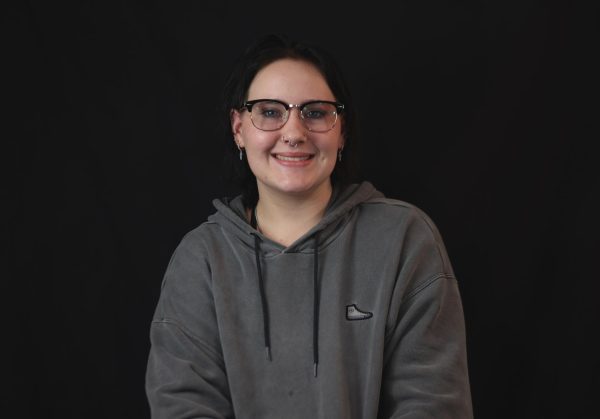
“Mental health exists on a continuum that ranges from mental wellness to diagnosable mental health disorders,“ counselor Stephanie Clayton said. “This spectrum reflects how individuals experience and manage emotional, psychological, and social well-being throughout their lives.”
This article was edited by Emily Logan, Palak Agarwalla, Tejas Konka, Kate Duncan and Trisha Panicker.