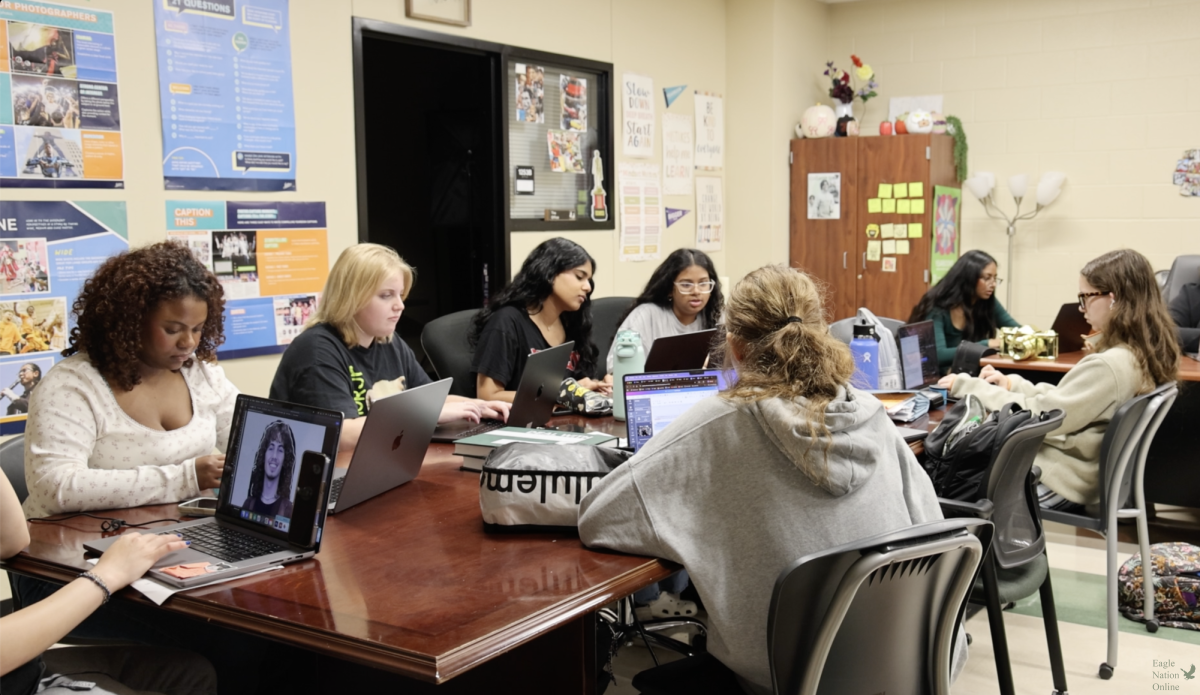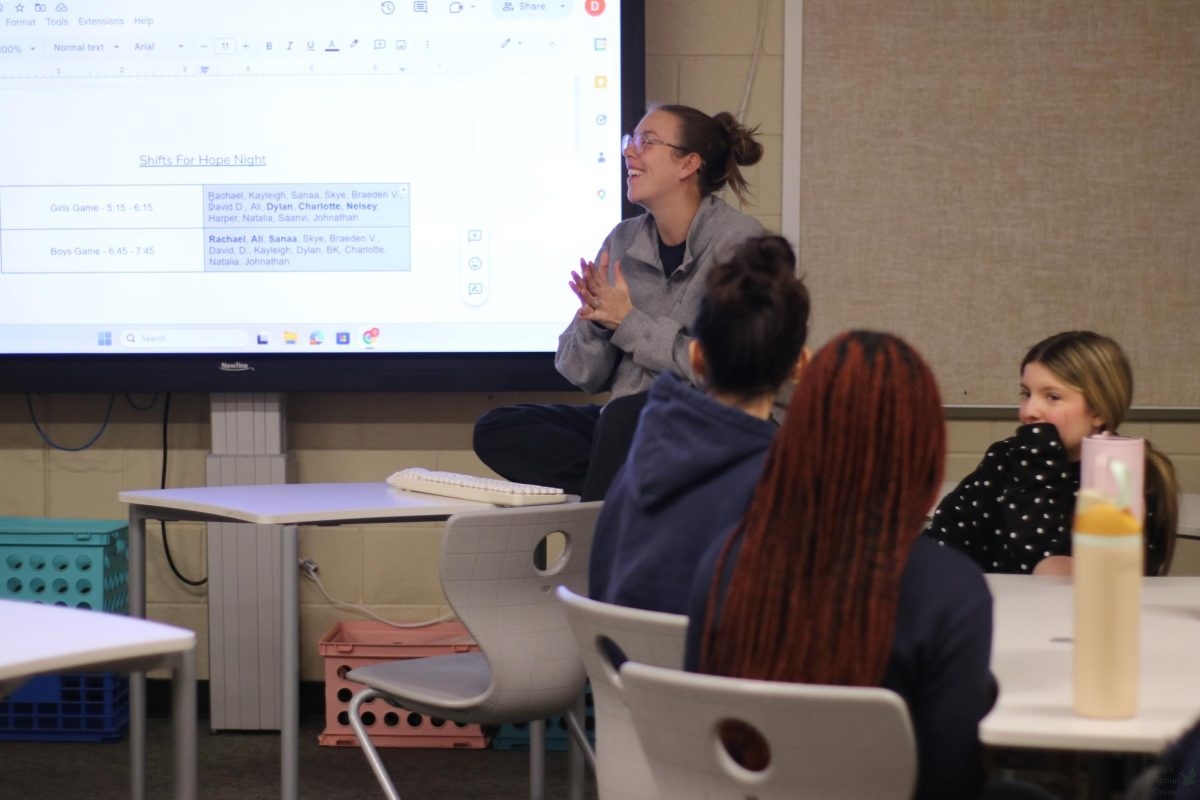
During a Wednesday advisory period, the focus in Room 1201 shifts from academics to empathy. A group of students come together and discuss the week’s theme: stewardship. Their conversation isn’t about homework or tests, but about being responsible to themselves, to each other and to the wider school community. This is a regular meeting of Prosper High School’s Hope Squad, where the goal is simple but significant: to make sure no student feels alone.
Hope Squad, a peer-to-peer support program, equips students with the skills to recognize signs of emotional distress, offers compassionate listening and guides students toward professional help. Functioning both as a class and a campus organization, members blend structured training with genuine outreach to strengthen student mental health and foster a culture of connection throughout PHS.
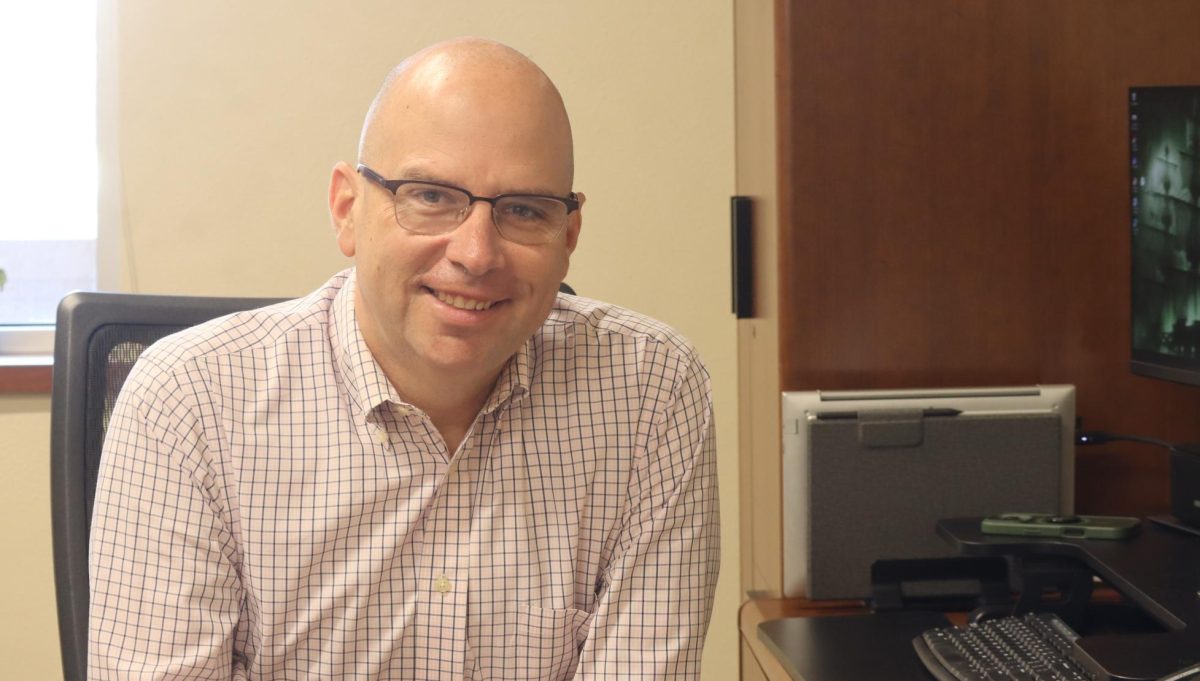
“A lot of our students’ ability to help others comes from them,” Hope Squad adviser Delaney Alford said. “It’s already in their character. Our role is just to help guide and encourage those qualities.”
That guidance takes shape in weekly meetings centered around actionable themes, which members then carry into the hallways and lunchroom.
“One week, our word was ‘unity,’ so we went around at lunch and introduced ourselves to people sitting alone or who were new,” member, sophomore Sanaa Vaughn said. “It helped me meet so many people outside of my usual group.”
While members say their purpose is to support others, the squad also prioritizes creating a safe space for its own members to be real about their struggles.
“This class is a place where you can be open and just have a moment if you need it,” senior, member Nelsey Nobosse said. “We’re all here for each other.”
According to Alford and the Hope Squad members, a crucial part of their training is understanding where peer support ends and professional help begins.
“I’ve learned that being there for someone doesn’t mean I have to fix everything,” Nobosse said. “If it’s something serious, my job is to connect them with a counselor who’s trained to help.”
That “bridge” role is one of the squad’s most important functions, making the step toward counseling feel less intimidating.
“A lot of people aren’t comfortable going to an adult first,” Vaughn said. “But if someone their age walks with them, it can make a huge difference.”
For many members, the motivation to join came from personal experiences and a desire to be there for others in a meaningful way.
“I joined to help friends in ways that others might not know how to,” freshman member Dylan Cahill said. “Hope Squad showed me how to actually do that.”
Hope Squad’s impact extends beyond one-on-one conversations — the organization plans events that bring the message of mental health awareness to the whole school.
“Things like our ‘Hope Week’ and the ‘Out of the Darkness Walk’ really bring people together,” Nobosse said. “It’s about reminding everyone to look out for each other.”
Through the use of intentional kindness, trained empathy, and a commitment to listening, Alford said Hope Squad members commit to strengthening the foundation of the school.
“Even if it’s just one student who feels safe enough to speak up because of this program, that matters,” Alford said. “That’s how change starts.”
This article was edited by Tejas Konka, Trisha Panicker and Kate Duncan.